Reflections on the Classics at the Dangremond Lecture
July 17, 2026
By Matthew Longcore
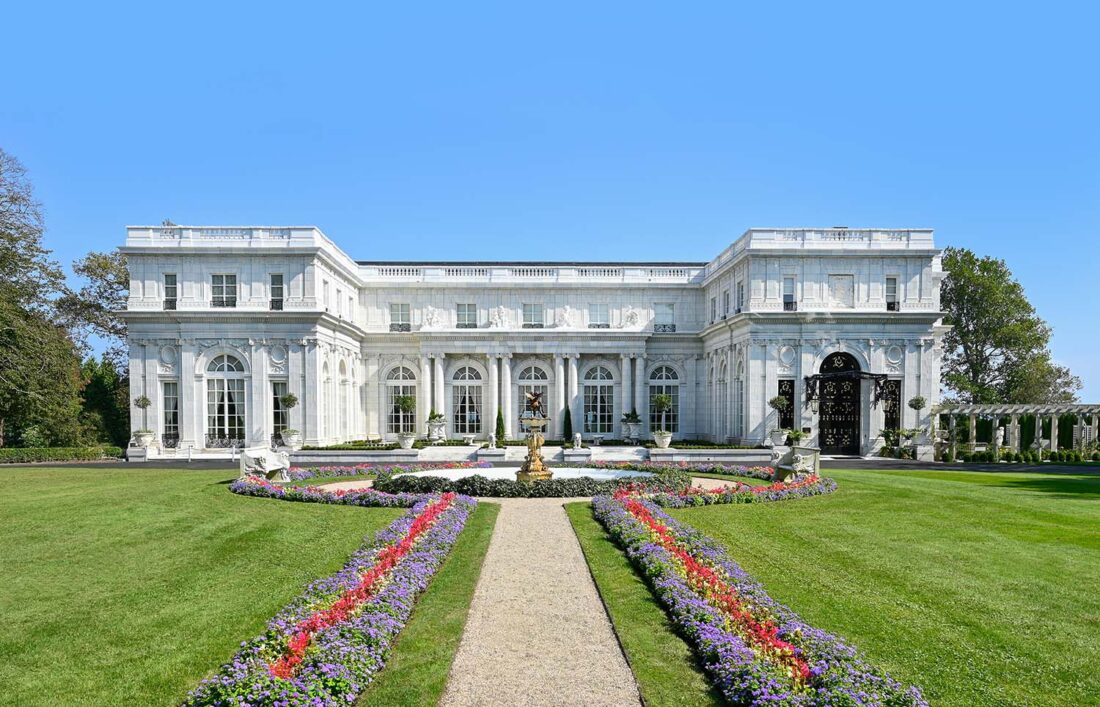
This month is an especially reflective time for Americans as we celebrate our 250 years of independence. So it was entirely fitting that this year’s David W. Dangremond Lecture hosted by the Preservation Society of Newport County in Newport, Rhode Island would feature the theme of Colonial and Colonial Revival arts and architecture. The event took place on July 9th at Rosecliff, a mansion on famed Bellevue Avenue.
The Great Gatsby starring Robert Redford included several scenes filmed at Rosecliff in Newport, Rhode Island. The mansion on Bellevue Avenue, modeled after the Grand Trianon, was designed by architect Stanford White and completed in 1902.
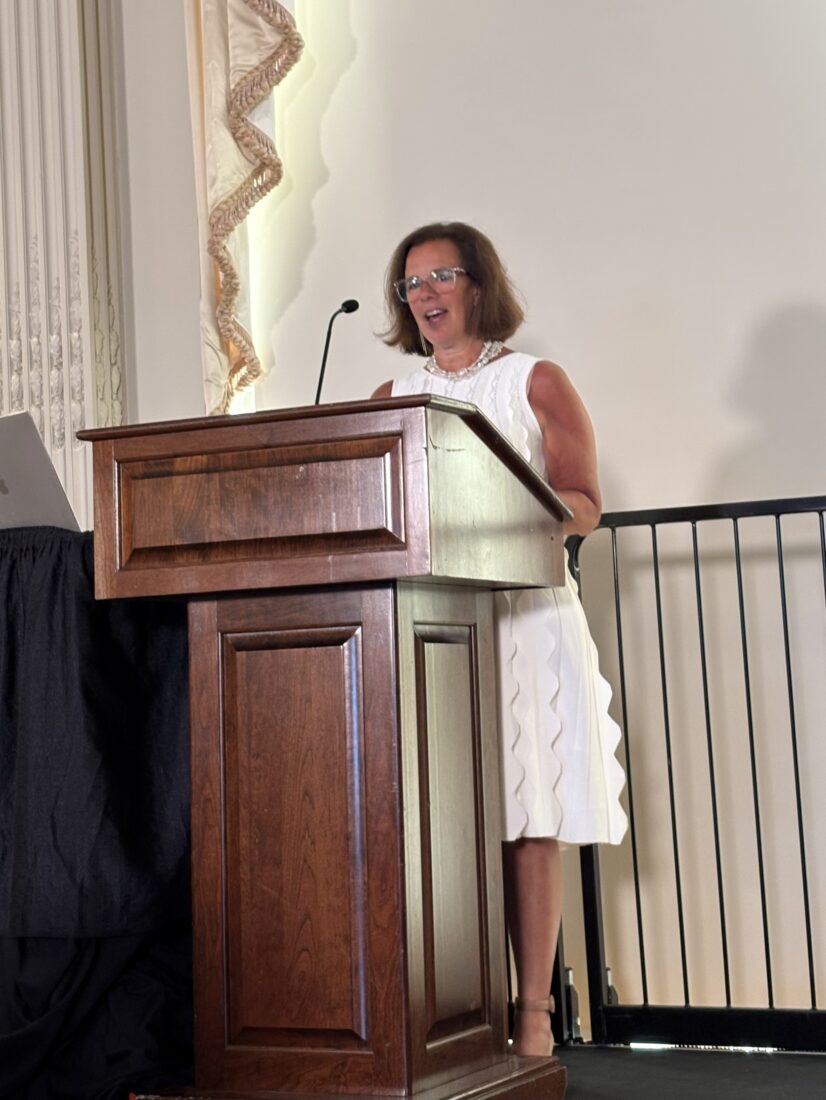
Alexandra A. Kirtley, Curator of American Decorative Arts at the Philadelphia Museum of Art.
I have written about the lectures sponsored by my good friend David Dangremond in the past. Rosecliff in Newport was also home to a fascinating lecture on Gilded Age architecture. Hill-Stead in Farmington, Connecticut was the setting for a wonderful performance of The Great American Songbook from the musical group Six of Clubs. These were terrific events, but the most recent event focused on “The Athens of America” was perhaps the most thought provoking.
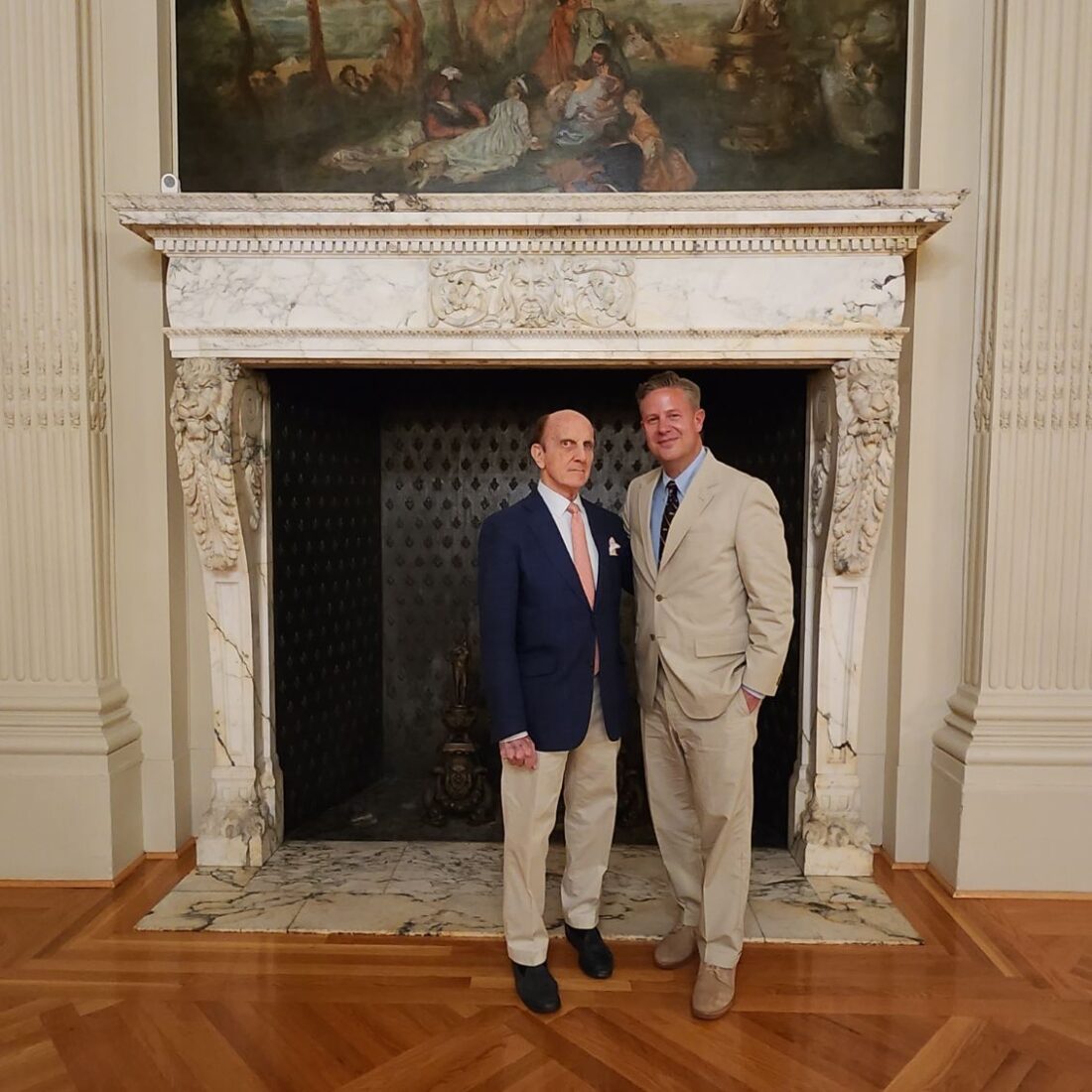
David Dangremond and Matthew Longcore at Rosecliff in Newport, Rhode Island.
During the lecture, I found myself pondering these questions: How did ancient Greece and its concept of democracy inspire early American aesthetic principles? How did architecture and the built environment of Colonial America and the subsequent Colonial Revival reflect these ideals? What does this have to do with clothing and matters of style?
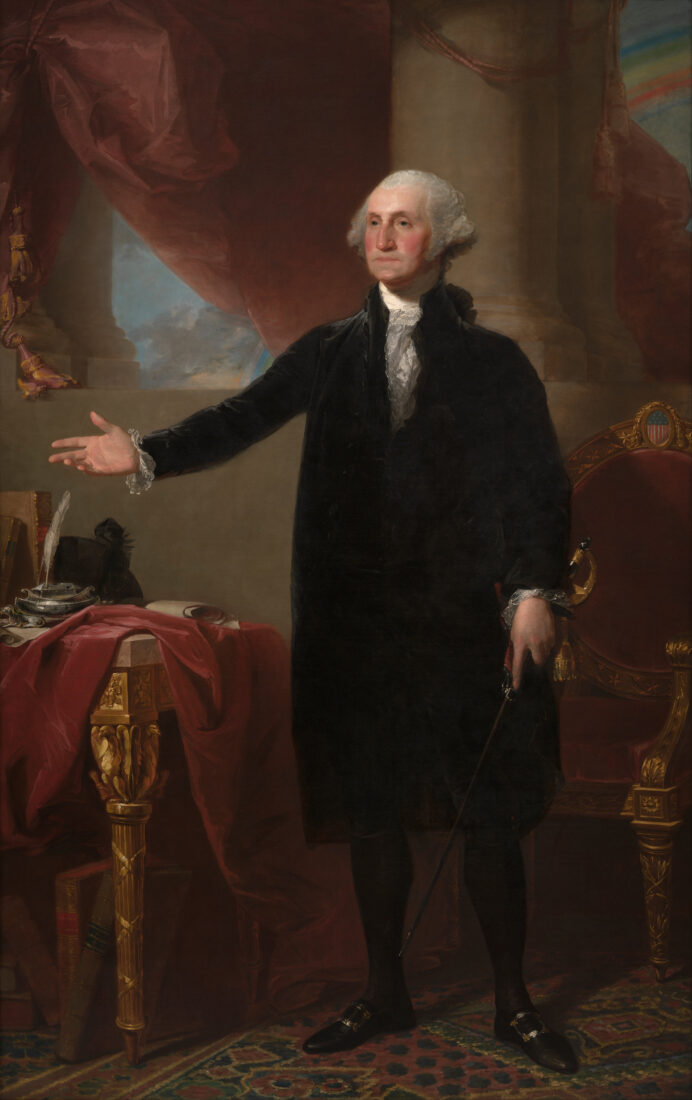
Alexandra Kirtley informed the audience that the title of her lecture originates with a quote from Gilbert Stuart (1775-1828), a Rhode Island native and acclaimed artist who lived, worked, and studied in Philadelphia in the 1790s, describing this period as the time “when I resided in the Athens of America.”
The Lansdowne portrait (1796) of George Washington is an iconic life-size painting by Gilbert Stuart.
During this period, in the aftermath of the Revolutionary War, the newly formed nation looked for inspiration in the ancient world. Philadelphians working in the arts – in fields such as architecture, painting, sculpture, and the decorative arts – turned approvingly to the ideals and aesthetics of Athenian democracy, which developed around the 6th century BC in the Greek city-state of Athens.
The Philadelphia Museum of Art is designed to resemble three ancient Greek temples joined together. Photo Credit: Andrew Parlette from Elkridge, MD, US, CC BY 2.0 <https://creativecommons.org/licenses/by/2.0>, via Wikimedia Commons.
In terms of government, however, America in the 18th century would follow the model of a Roman republic rather than that of an Athenian democracy. The classical example that inspired the American revolutionaries was Rome from the age of Cicero and Caesar. Rome was a republic, not a democracy. The Founding Fathers who met in Philadelphia in 1787 did not set up a Council of the Areopagus, but rather a Senate.
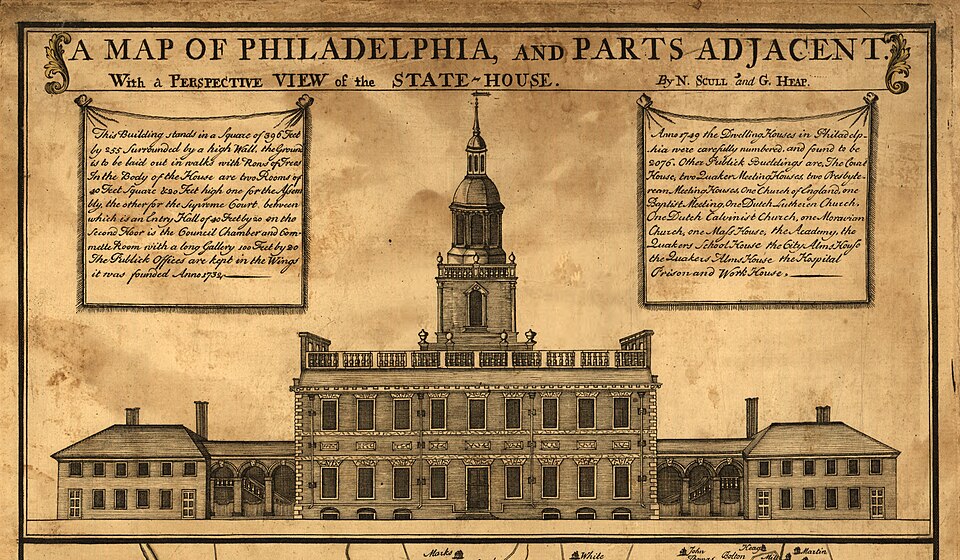
Map of Philadelphia and Parts Adjacent, a 1752 illustration of Pennsylvania State House and its original bell tower, whose clock was not yet added.
What we think of as ‘Colonial’ architecture was, for the most part, the American vernacular dialect of English Georgian. The Georgian style was derived, in turn, from Renaissance and Baroque Italian architecture, which looked to ancient Rome, just as the Romans looked back to Greece. Most subsequent ‘American’ styles through the 19th and early 20th centuries (Federal, Greek Revival, Italianate, Second Empire, Colonial Revival, even the Gothic Revivals) can similarly trace their historical lineage back to classical antiquity.
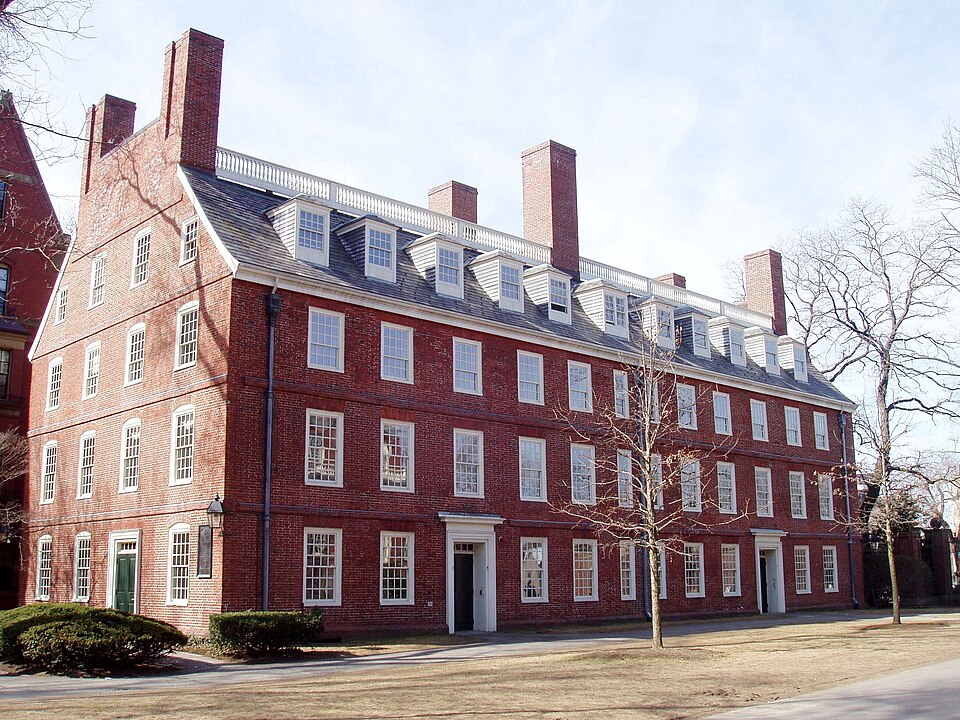
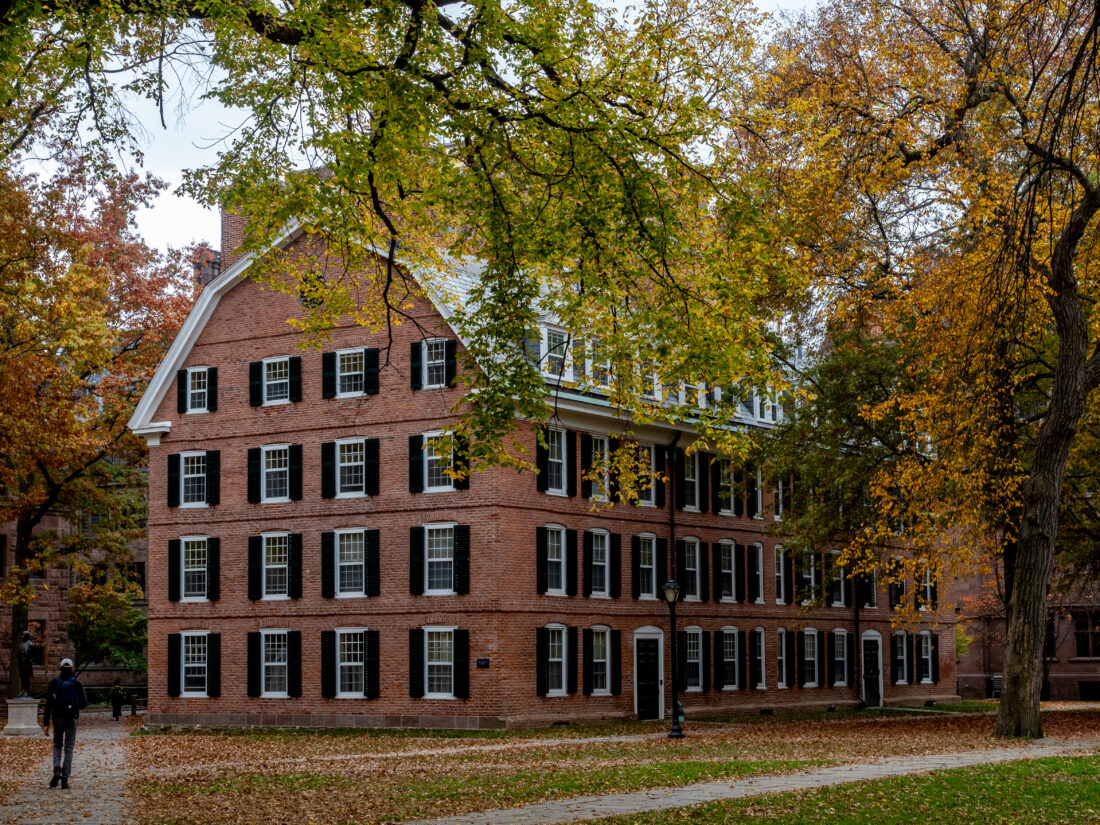
Massachusetts Hall at Harvard University, a Georgian style building and the oldest building on campus.Connecticut Hall at Yale University, a Georgian style building and the oldest building on campus.
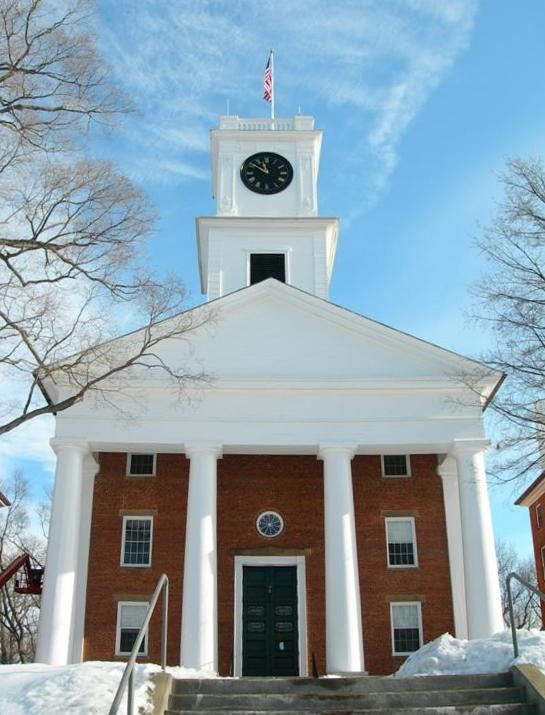
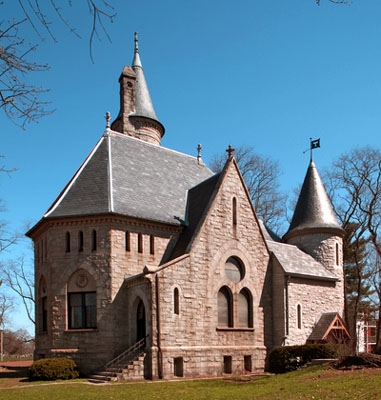
Blair Kamin, Pulitzer Prize winner and contributing editor for the Architectural Record, describes the chapel of his alma mater in Amherst College: The Campus Guide, published on the occasion of the Amherst College Bicentennial:
This Greek Revival edifice, the centerpiece of College Row, is Amherst’s most important building. No other structure on campus is so prominent or so expressive of its time… Fortuitously, the chapel was constructed in the 1820s as Americans sought anew to demonstrate their freedom from England. Just a decade earlier, they had fought the War of 1812, the so-called second war of independence. The prevailing style of the day, Greek Revival, evoked the marble temples of ancient Greece and the political struggles of the protodemocracy in Athens. That struggle, which resonated powerfully in the United States, would have a significant impact on Amherst.
Johnson Chapel at Amherst College.
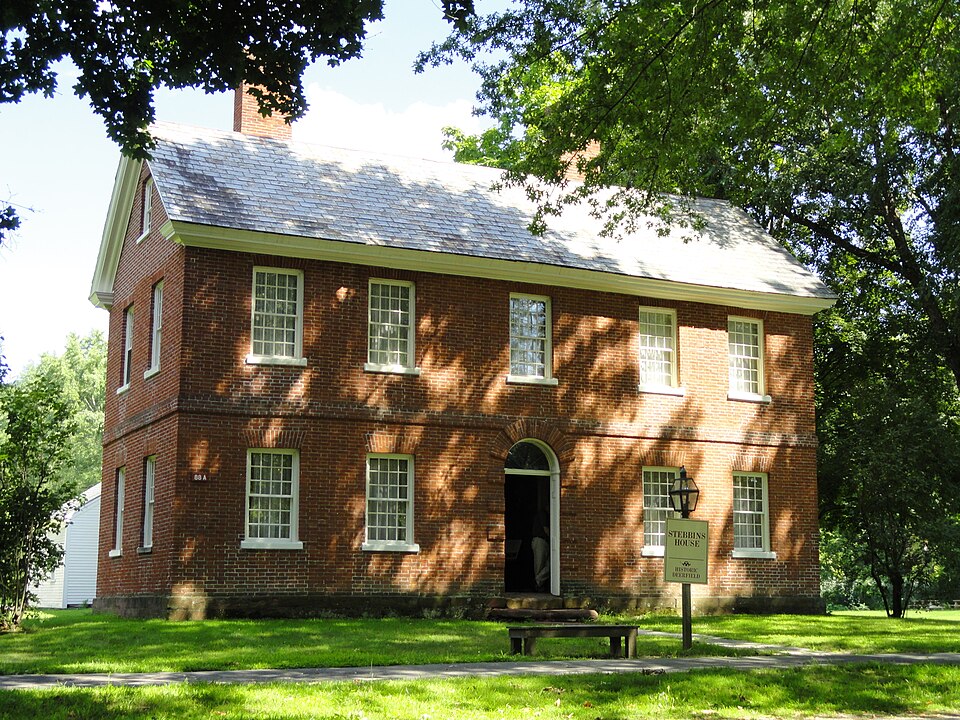
My friend David Dangremond, a noted architectural historian and historic preservationist, just so happens to be a native of Philadelphia, a graduate Amherst College, and a longtime friend of Historic Deerfield – so the topic of Greek and Greek Revival arts and architecture is naturally of great interest. While a Summer Fellow at Historic Deerfield, Dangremond authored a thesis on the Asa Stebbins House. Historic Deerfield describes the Stebbins House as follows:
Built in 1799, the Asa and Emelia Stebbins House features Federal period architecture, wall treatments, and decorative arts. It was the first brick house in Deerfield, and the interior of the house features neoclassical furnishings dating from 1790 to 1830. Inspired by ancient Greek and Roman design, this style was popular in the years following the American Revolution.
Which brings me to connection between ancient Greece and Ivy Style. The connection can be summed up in a single word: CLASSICS.
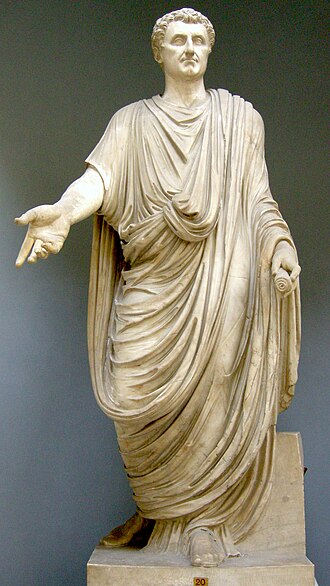
The term “classics” is derived from the Latin adjective classicus, meaning “belonging to the highest class of citizens.” The word was originally used to describe the members of the Patricians, the highest class in ancient Rome.
Nerva was a Roman emperor from AD 96 to 98.
In academia, classics – also known as classical studies or ancient Greek and Roman studies – is the study of classical antiquity. In the Western world, classics traditionally refers to the study of ancient Greek and Roman literature and their original languages. Classics may also include subjects such as philosophy, history, archaeology, anthropology, architecture, art, and mythology.
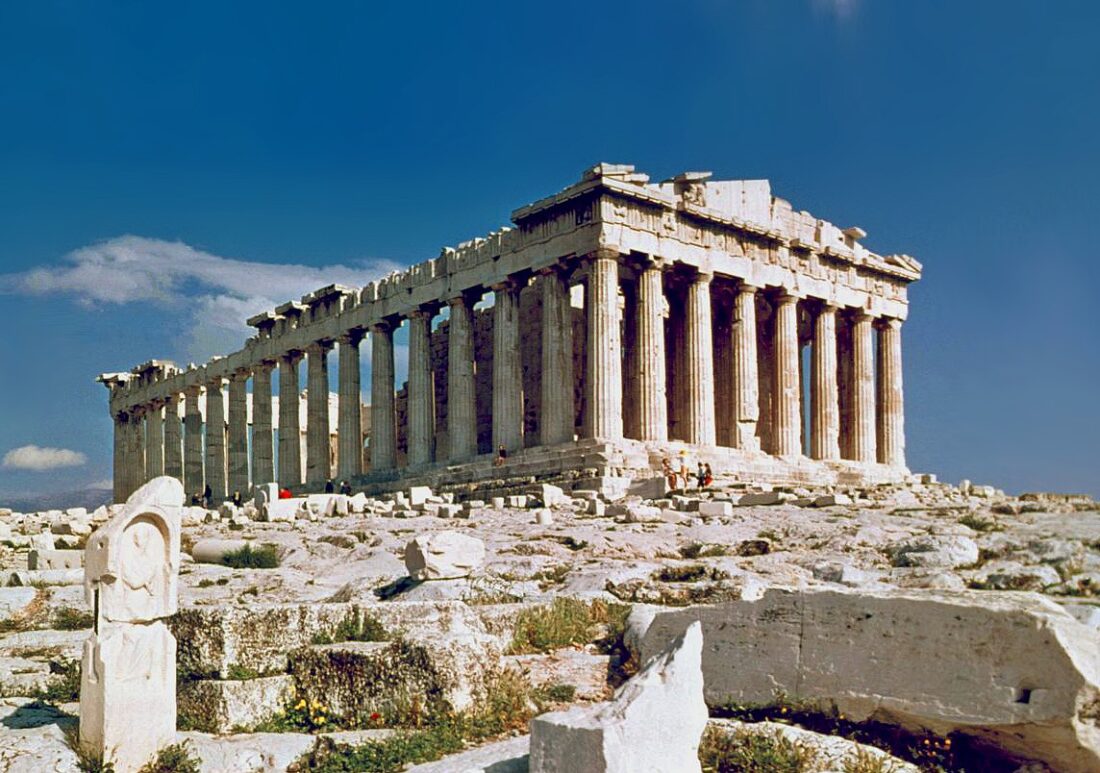
The Parthenon in Athens, Greece. Photo Credit: Steve Swayne, CC BY 2.0 <https://creativecommons.org/licenses/by/2.0>, via Wikimedia Commons.
In Western civilization, the study of the ancient Greco-Roman classics was once considered the foundation of the humanities, and the classics traditionally were the cornerstone of an elite higher education. The Ivy League universities – where Ivy Style was born – placed a high value on the classics. Once upon a time, proficiency in ancient Greek and Latin was an entrance requirement at places like Harvard and Yale.
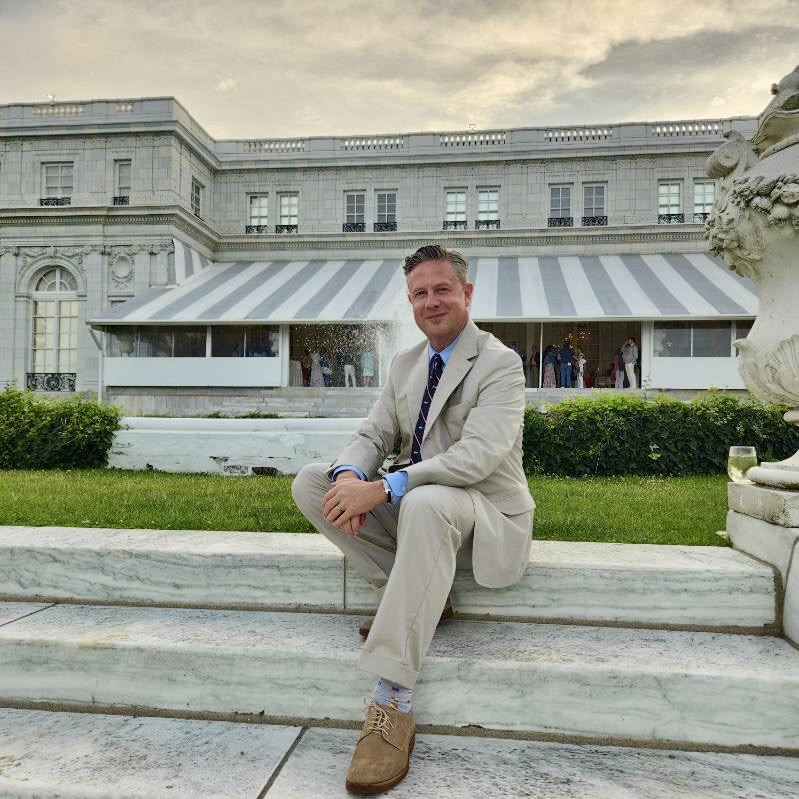
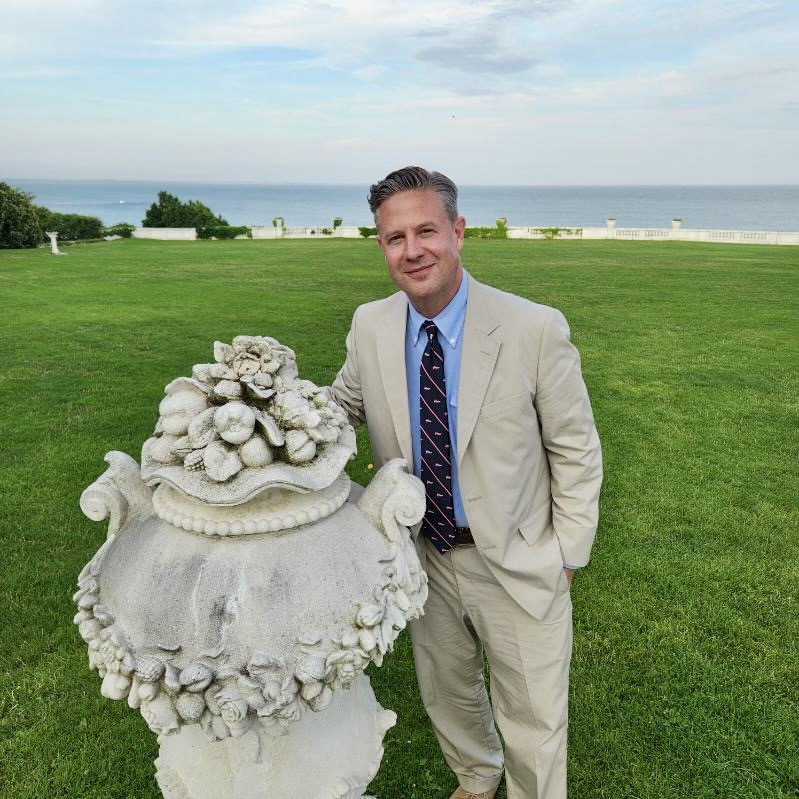
Matthew wears a tan poplin 3/2 roll sack suit and a Made In USA blue Oxford cloth button down shirt from J. Press. The tie features the burgee of Cedar Point Yacht Club.
Ivy Style is a celebration of classics of a different sort – clothing that is timeless and that never goes out of style. We have our own classical curriculum – our sack suits, repp ties, and other components of a classic wardrobe. We have traditions passed down from generation to generation, standards to maintain, and ideals to uphold. We are, in a sense, not too far removed from the ancient Greeks and Romans who inspired Americans in our earliest days as a new nation.
Matthew Longcore at Rosecliff in Newport, Rhode Island.
This year’s Dangremond Lecture in Newport had many great insights, but one in particular stuck with me. Alexandra Kirtley shared a quote by Johann Joachim Winckelmann from his 1755 work, Reflections on the Painting and Sculpture of the Greeks. Winckelmann was an art historian and archaeologist who was one of the first to separate Greek and Roman art into periods and time classifications. He has been called “The prophet and founding hero of modern archaeology” and the father of the discipline of art history. Winckelmann wrote:
“There is only one way for the moderns to become great and perhaps unequalled: by imitating the Ancients.”
Thanks so much for sharing these lectures. Calder Loth is one of my favorite architectural historians. His book titled “The Only Proper Style: Gothic Architecture in America” which was co-authored by Julius Trousdale Sadler is cited in my doctoral dissertation on Collegiate Gothic architecture.







Thank you for the post, Matthew. Readers who are interested in Colonial architecture might enjoy Calder Loth’s lectures on the same.
Part I is here: https://www.youtube.com/watch?v=9hnwHMPhzVY&t=316s
Part II is here: https://www.youtube.com/watch?v=lWuu3NOEIYc&t=210s
His four part series on classical architecture is worthwhile, too.
Thanks so much for sharing these lectures. Calder Loth is one of my favorite architectural historians. His book titled “The Only Proper Style: Gothic Architecture in America” which was co-authored by Julius Trousdale Sadler is cited in my doctoral dissertation on Collegiate Gothic architecture.
Too cool for words.