What’s in a name? That which we call a rose by any other name would smell as sweet.
– William Shakespeare, Romeo and Juliet
In celebration of our nation’s 250th anniversary, let’s take a look at the stories behind the names of American heritage brands. A memorable name is an important part of a brand’s identity.
Here are 10 brands and the stories of how their names came to be.
Brooks Brothers
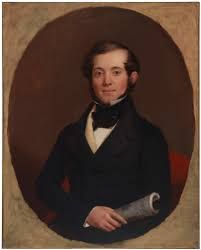
Henry Sands Brooks (1772–1833), founder of Brooks Brothers
Founded in 1818, Brooks Brothers is America’s oldest retailer. On April 7, 1818, at the age of 45, Henry Sands Brooks opened H. & D.H. Brooks & Co. on the Northeast corner of Catherine and Cherry Streets in New York City, his childhood home. Brooks was known for sporting the newest and most novel of English tailoring. He was often stopped by strangers asking for a waistcoat or cravat exactly like the one he was wearing. He made a business of his love for clothing when he opened his shop in lower Manhattan.
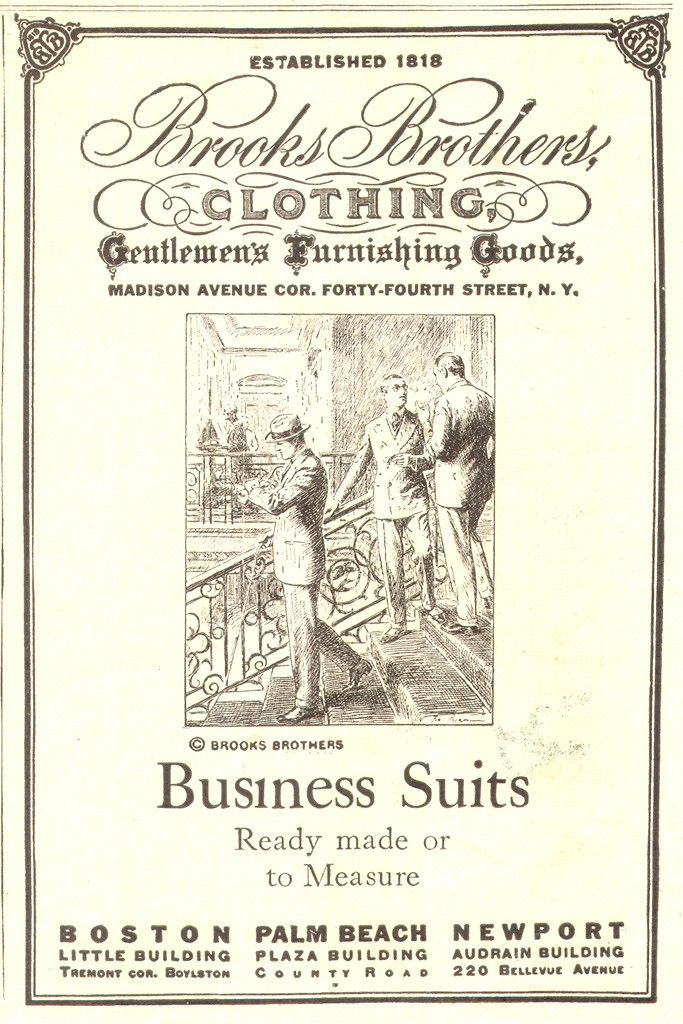
A vintage advertisement for Brooks Brothers
Originally known as H. & D.H. Brooks & Co., the company was renamed Brooks Brothers in 1850 when his sons—Daniel, John, Elisha, and Edward—inherited and took leadership of the family business. By the 1920s, Brooks Brothers would have stores in Boston, Palm Beach, and Newport.
J. Crew
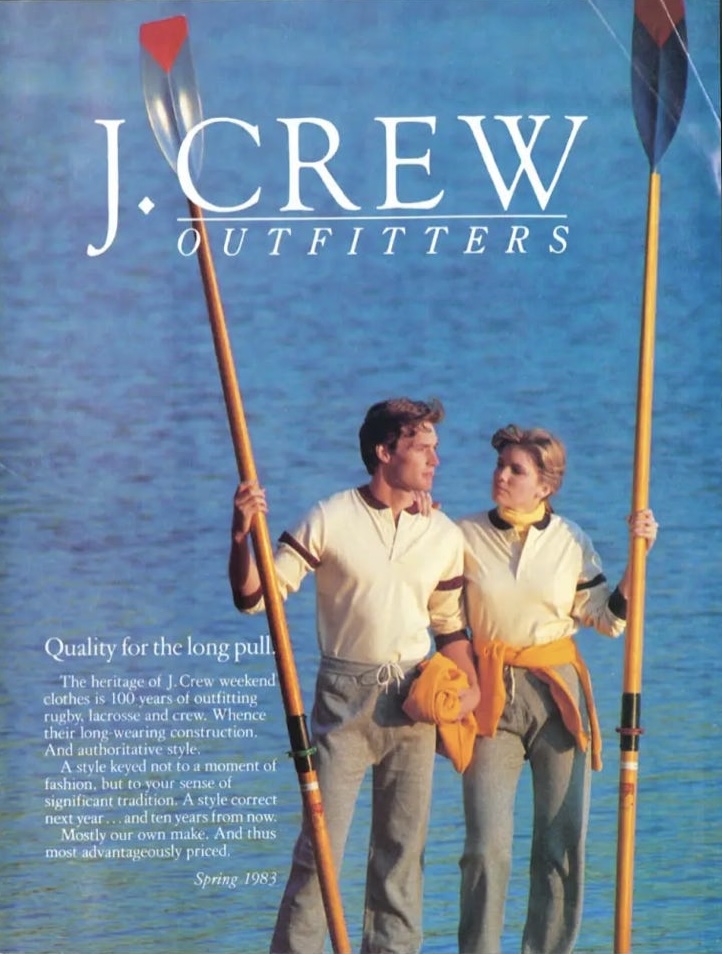
J. Crew advertisement from the 1980s featuring rowers holding oars
J. Crew was founded in 1983 by Arthur Cinader, who rebranded his father’s catalog business, Popular Merchandise, Inc. The word “Crew” was chosen to evoke the collegiate team sport of rowing in the same way that Ralph Lauren launched brands with sporting names, most notably Polo and Rugby.The letter “J” was added purely for aesthetic appeal and perhaps as a nod to its predecessor, J. Press.
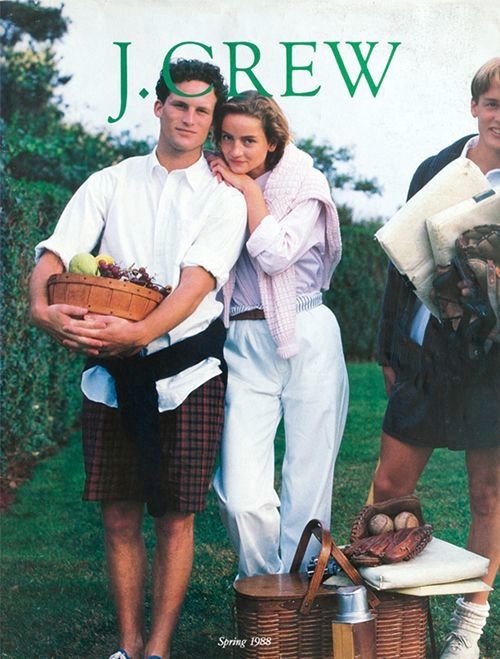
J. Crew Spring 1988
The Cinader family envisioned the brand as a preppy clothing line—aiming for the “Ralph Lauren look” but at a more affordable, accessible price point.
J. McLaughlin
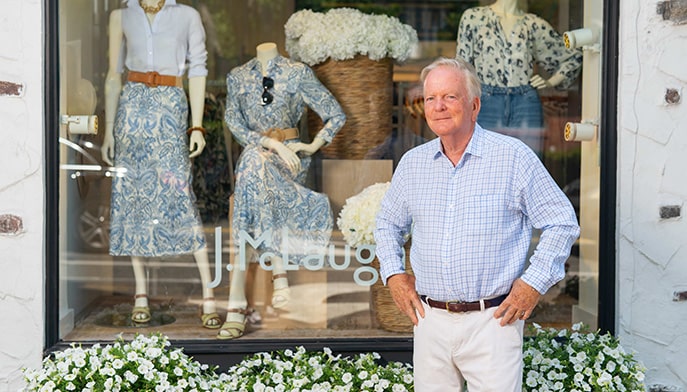
Jay McLaughlin, Fairfield ’70, entrepreneur and co-founder of the iconic brand, J.McLaughlin
J. McLaughlin was founded in 1977 by brothers Jay and Kevin McLaughin. A graduate of Fairfield University (class of 1970), Jay McLaughlin began his career working in his father’s real estate business before he and his brother Kevin opened their first clothing store, Sea Island Clothiers, on Manhattan’s Upper East Side.
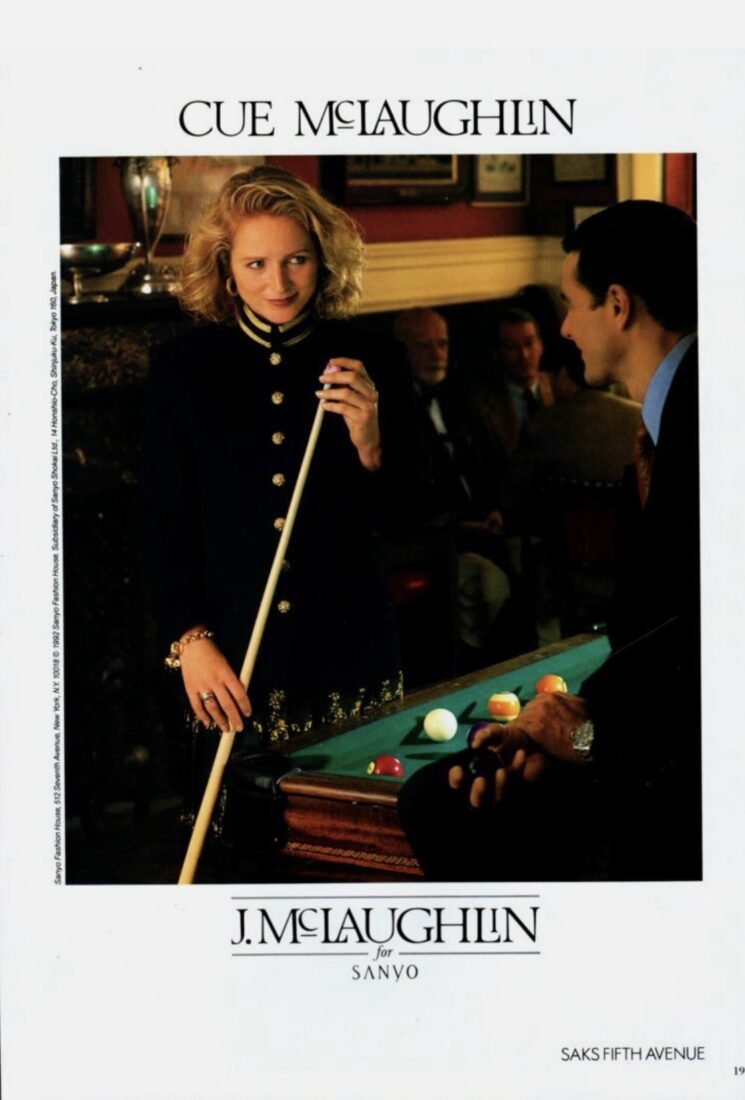
A vintage J. McLaughlin advertisement for Saks Fifth Avenue
In 1979, the brand was reimagined as J. McLaughlin, which has since grown into a nationally recognized American sportswear brand, with more than 180 stores in upscale neighborhoods across the country — including nine stores in Connecticut.
J. Press
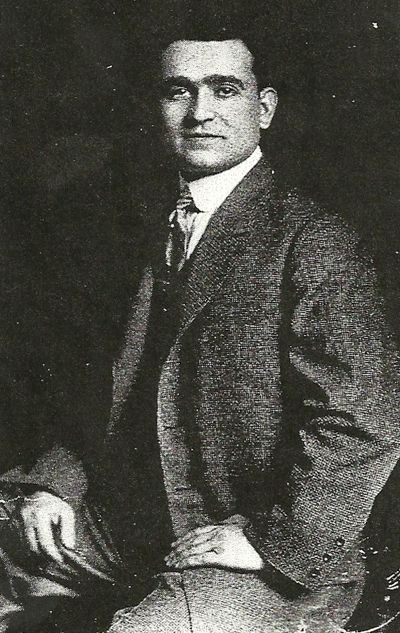
Jacobi Press (1880–1951), founder of J. Press
Founded in 1902, J. Press is named after its founder, Jacobi Press. A Latvian immigrant who originally arrived in the United States intending to become a rabbi, Jacobi Press shifted his focus to tailoring and founded the first J. Press shop on the Yale University campus in New Haven, Connecticut in 1902. Originally starting as a custom tailor, he catered heavily to Yale students and the surrounding East Coast upper-class society.
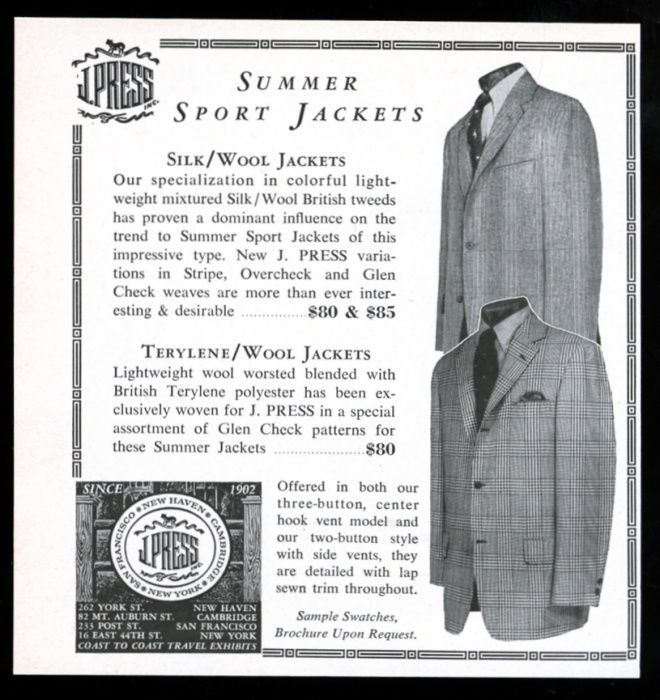
Vintage J. Press advertisement for summer sport jackets
The store quickly became the epicenter of the “Ivy League look” – pioneering classic American staples like the soft-shoulder suit, the Oxford cloth button-down, and the famous Shaggy Dog Shetland sweater.
Lands’ End
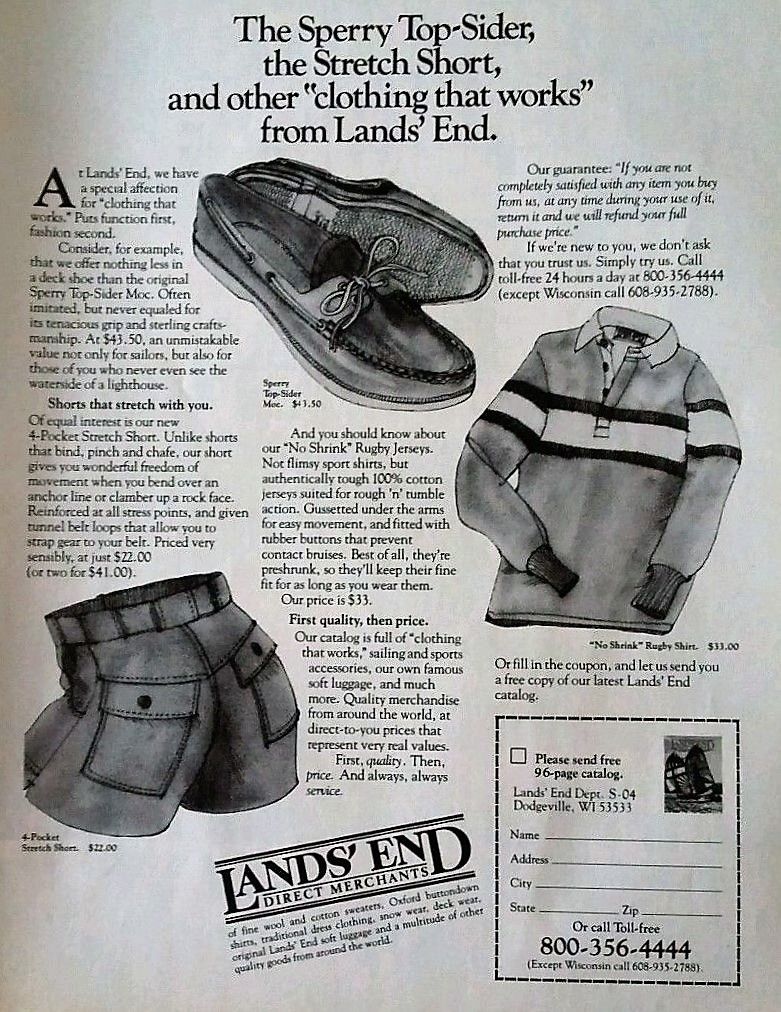
Vintage advertisemement for Lands’ End featuring Sperry Top-Siders
Lands’ End began in 1963 as a mail-order yachting supply company based in Chicago. The company is named after Land’s End, a headland and tourist and holiday attraction in western Cornwall, England.
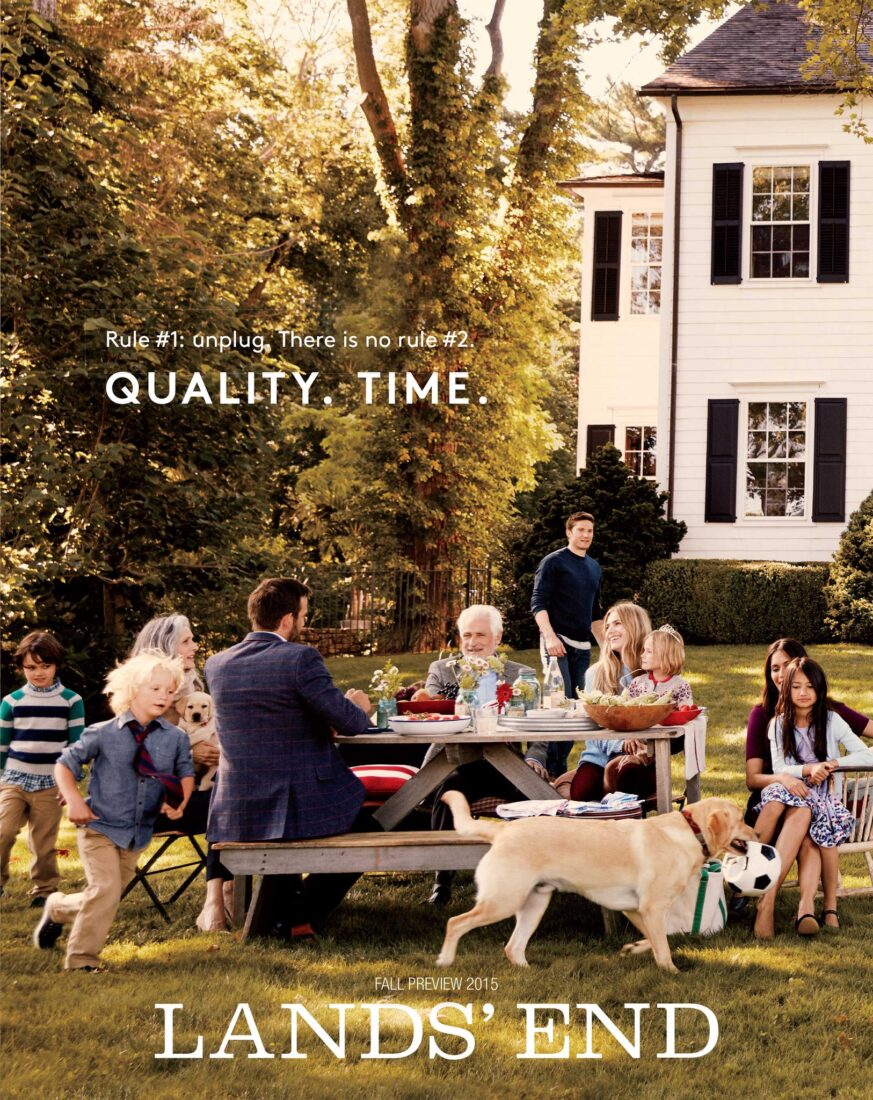
Lands’s End Fall Preview 2015
After promotional materials were printed, the founder noticed the typographical error in the location of the apostrophe, but could not afford to reprint the material. Today, Lands’ End is headquartered in Dodgeville, Wisconsin.
L.L. Bean
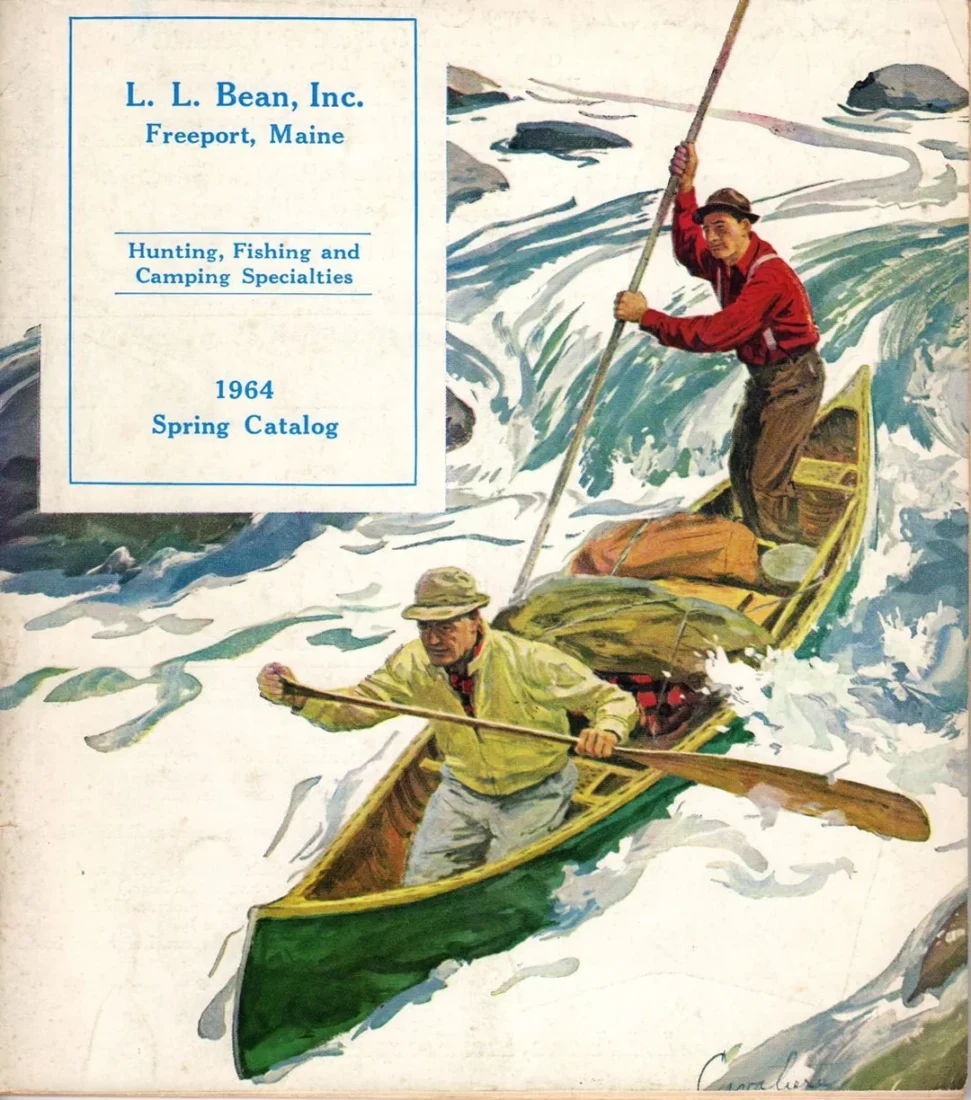
L.L. Bean is named after its founder, Leon Leon Bean. An avid outdoorsman from Greenwood, Maine, he established the company in 1912 after inventing the “Maine Hunting Shoe” (now known as the Bean Boot) to solve the problem of keeping his feet dry during excursions.
Bean returned from a hunting trip with freezing, wet feet and came up with a revolutionary idea to stitch waterproof rubber bottoms to lightweight leather uppers. He started selling the boots from his brother’s basement in Freeport, Maine.
While the company has historically claimed the “L.L.” stood for “Leon Leonwood,” his grandson and former chairman Leon Gorman noted that the middle name was originally recorded as “Linwood,” which was later misspelled and adopted by the founder.
Murray’s Toggery Shop
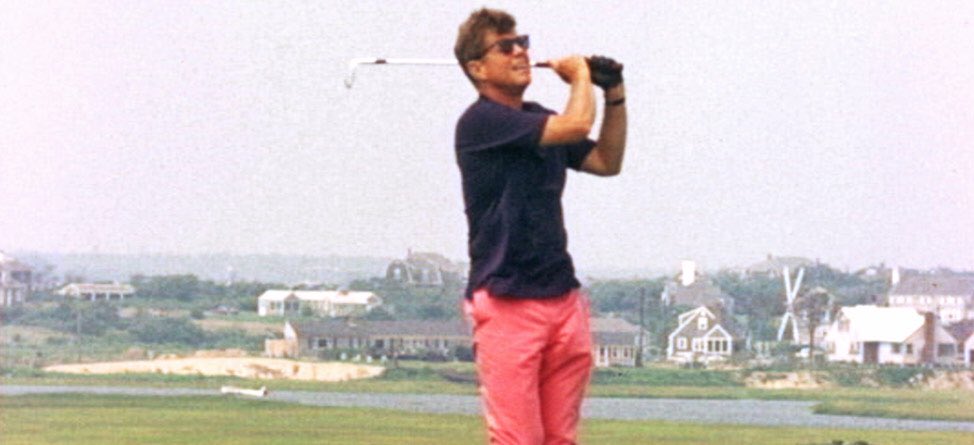
President John F. Kennedy playing golf in his Nantucket Reds from Murray’s Toggery Shop
Murray’s Toggery Shop on Nantucket was originally just called The Toggery Shop. The word “toggery” is a 19th-century slang term for clothing. The term “toggery” itself traces back to the early 1800s, originating from the British slang word “tog” (meaning to dress) combined with the suffix “-ery,” collectively meaning “clothes” or “a place that sells garments.
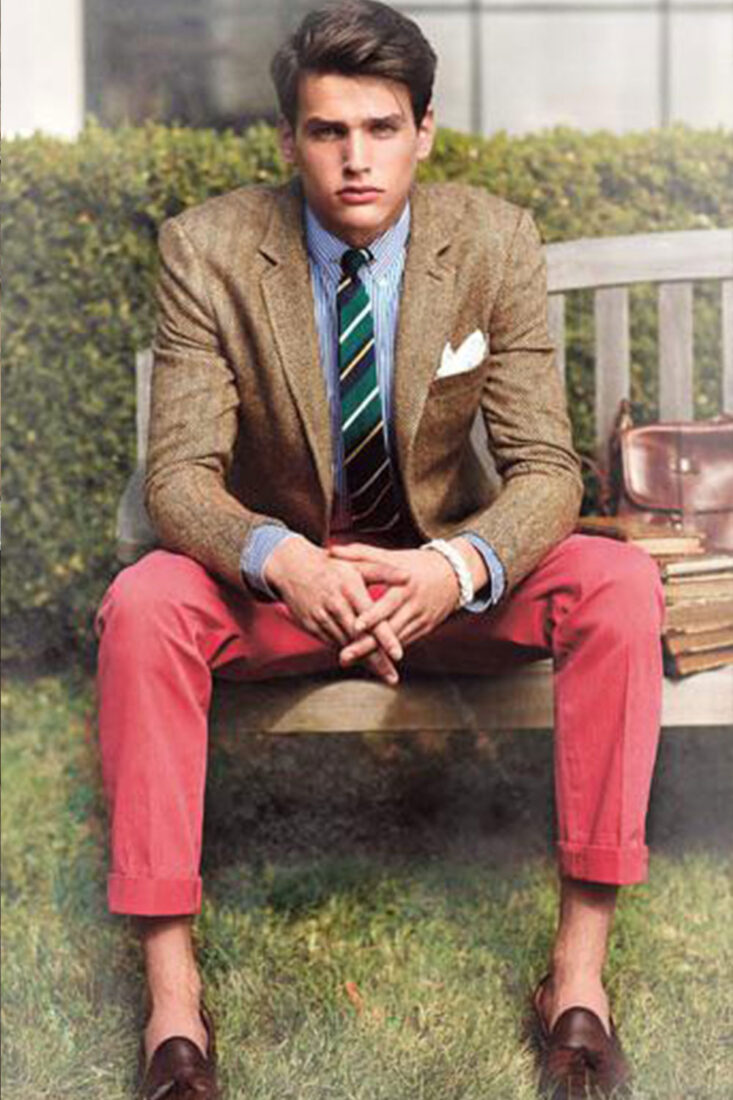
Nantucket Reds word with a tweed sport coat, Oxford cloth button down shirt, and repp tie
The shop was renamed when Philip Murray Jr. purchased the business in 1945 and attached his family name to the existing storefront.
The family-owned retailer is most famous for popularizing Nantucket Reds, a line of salmon-colored cotton-canvas trousers and apparel that are intentionally “guaranteed to fade” into a light, sun-washed pink.
Ralph Lauren
Ralph Lauren, the founder of a fashion empire which bears his name
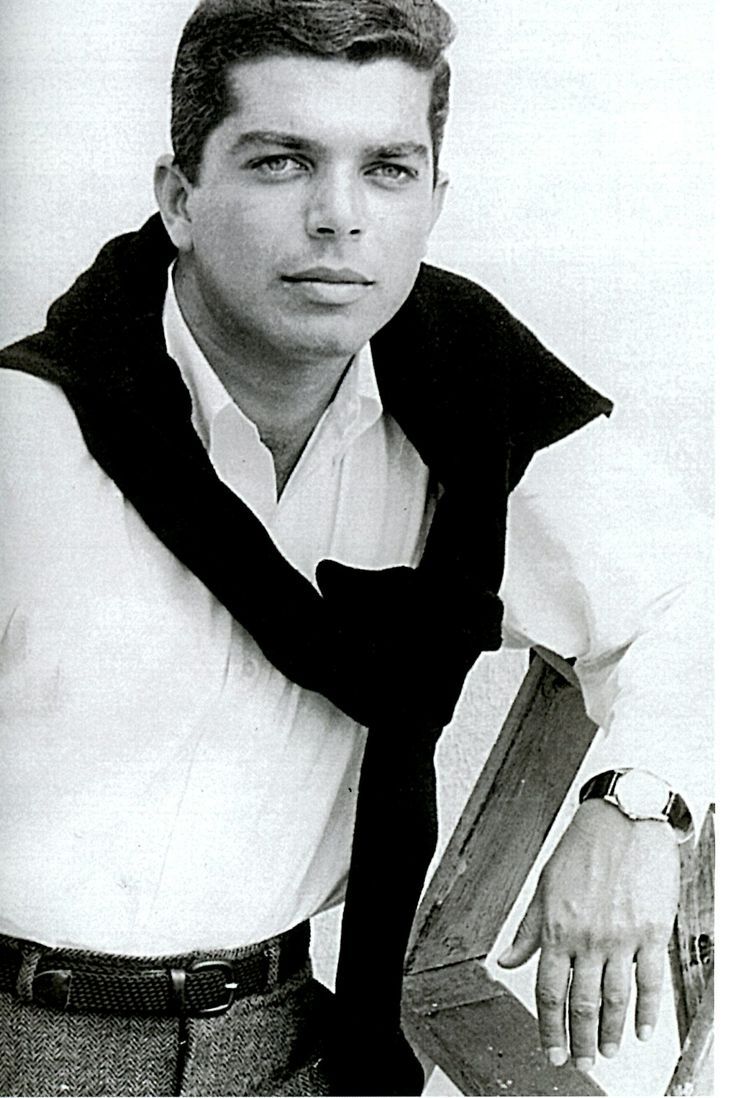
Ralph Lauren was born Ralph Lifshitz in the Bronx, New York, to Jewish immigrant parents. He legally changed his last name to “Lauren” at age 16 because his birth surname contained a profanity, which led to relentless bullying by his peers.
The origins of his new surname, Lauren, and his iconic brand, Polo, are distinct. Ralph and his brother Jerry decided to pick a new name when they were teenagers to escape the teasing. His brother suggested “Lauren”, and Ralph kept the “Ralph” he was born with.
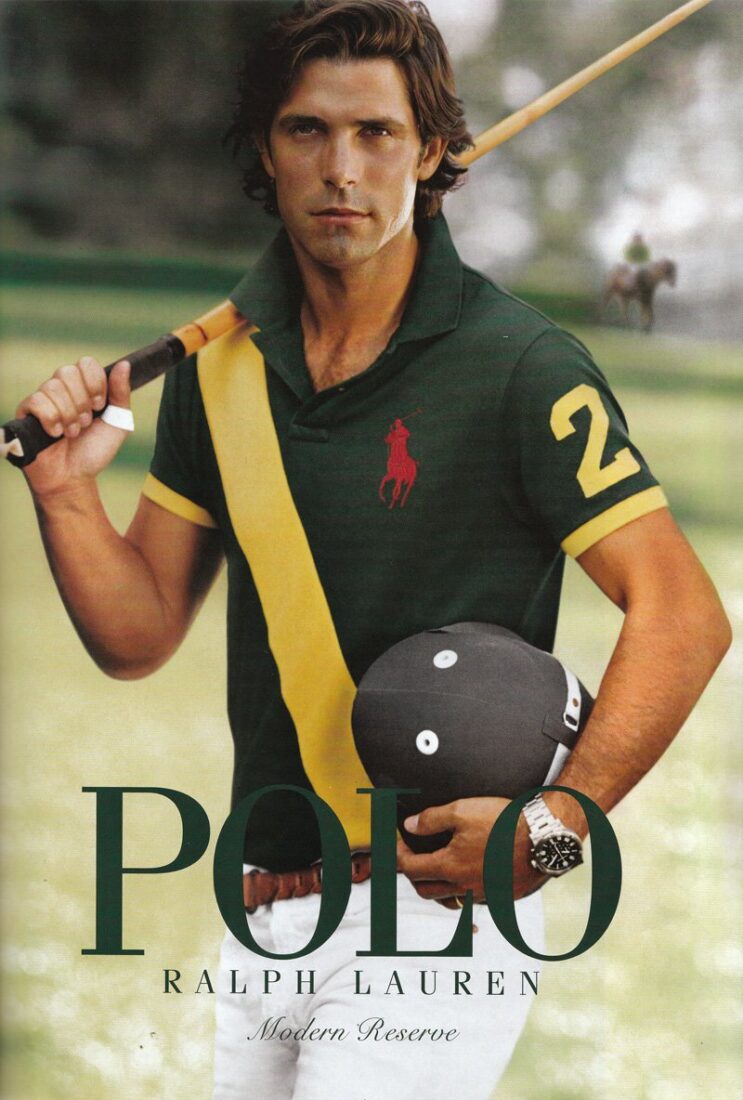
Polo player Nacho Figueras in an advertisement for Polo Ralph Lauren
When Ralph Lauren launched his first necktie collection in 1967, his brother Jerry suggested the name “Polo” because the sport of polo evoked the image of an elite, sophisticated, and athletic lifestyle, which became the foundation of his clothing empire.
Smathers & Branson
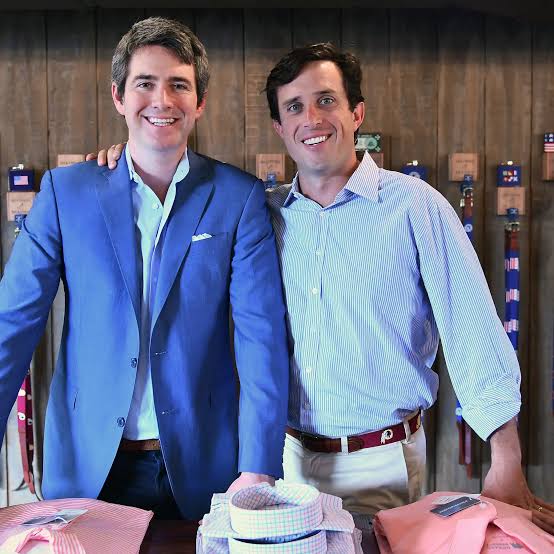
Peter Smathers Carter and Austin Branson, the co-founders of Smathers & Branson
The name Smathers and Branson comes from the company’s founders, Peter Smathers Carter and Austin Branson. They launched the brand in 2004 as seniors at Bowdoin College after receiving handcrafted, needlepoint belts as gifts from their girlfriends.
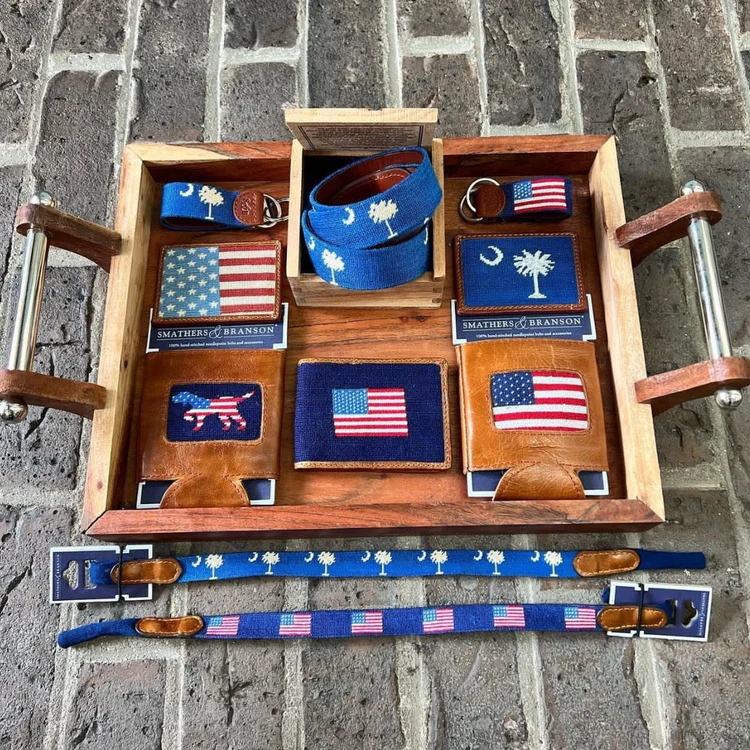
An assortment of patriotic belts, wallets, and key fobs from Smathers & Branson
The two friends quickly realized there was a gap in the market for mass-marketing and producing high-quality, affordable needlepoint accessories. They combined their last names (using Peter’s middle name as the first part of his moniker) to create the brand.
Vineyard Vines
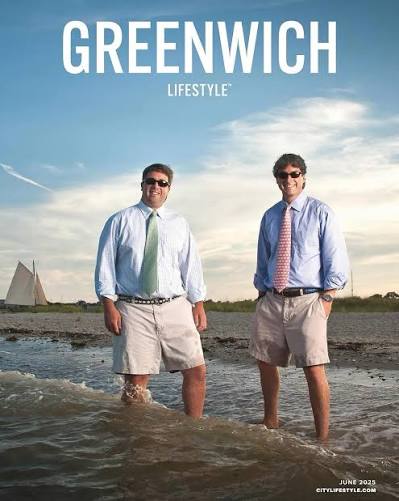
Vineyard Vines co-founders Shep and Ian Murray on the cover of Greenwich Lifestyle magazie
The name Vineyard Vines honors a deep connection to Martha’s Vineyard, where the brand’s co-founders spent their summers. Brothers Shep and Ian Murray grew up in Greenwich, where they attended the Brunswick School. In 1998, they quit their New York desk jobs to sell colorful ties. They named the business as a direct homage to their favorite place and the coastal, nautical lifestyle it represents.
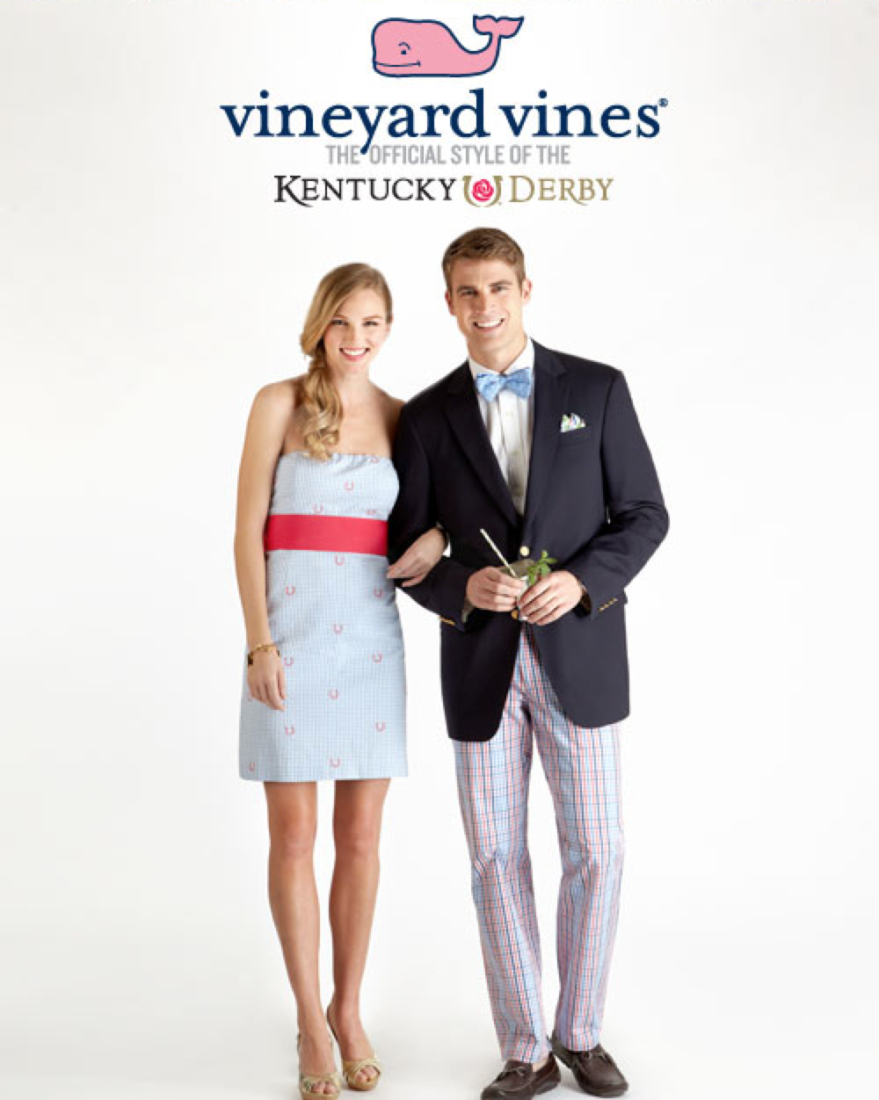
Vineyard Vines serves as the Official Style of the Kentucky Derby, a partnership celebrating its 16th consecutive year
The brand’s famous smiling pink whale was designed by the brothers’ father and was inspired by his hobby of hand-carving wooden whales from driftwood.
Which heritage brands will you be wearing to celebrate the historic occasion of America 250?
Very nice. If you wanted to make it a comprehensive list of heritage brands, I would add O’Connells, Andover Shop, Cable Car Clothiers, Mercer & Sons, Orvis, and LLBean. We’d probably need some shoes as well.
Murray’s Sport Coat appears to have boxy shoulders and uncomfortably tight sleeves, but the gorge, the welts, the lapel- width and the cloth all look perfect. I wonder what was the date of that ad.
Silk/wool summer tweed sport jackets at J.Press, presumably available mtm. Those must have been great times.
I dont think Shep or Ian will be squeezing into chinos with a fifteen inch opening at the cuff anytime soon. But if they wanted to conform to that look, they could strap on some blousing bands or blousing straps.
At the Bicentennial, the heyday was already a decade in the rear-view mirror.
To answer your last question, last Sunday I wore a BB WOCBD with a hyper-nationalist red, white, and blue BB necktie and navy blazer. I’ll probably wear the exact same rig tomorrow… unless there are other suggestions here.
To be clear, the BB items are vintage, the neck-tie, a Garland store purchase made 15 years ago, and the blazer, not BB, was old stock 21 years ago. I still have the plastic garment bag. Lucky finds.
Heritage brands can, sadly, disappear. Hoist a glass for some no longer with us but still alive in happy memories, like Southwick and Barrie. Some heritage brands live on but some of the heritage products that made those brands revered are also gone. Raise your glass again for those things like the Gant Hugger, the Sperry Kudu, and Brooks Brothers Makers.
Huntington Clothiers out of Columbus, OH, was also a great place to shop. It’s the one place that I truly miss the most. I previously posted something here in IS, a while back on HC’s, if anyone wants to check t out.
One that stuns me is Jos. Bank. From classic Ivy cuts of made in the USA clothes to mall clothes made in who knows where, styled for mediocrity. They, along with Rogers Peet, were the slightly lower cost alternative to Brooks and Press for solid work clothes.
Speaking of brands, does anyone else find it ironic that Ralph Lauren Polo has no connection to polo, while the cheap knock off brand is actually affiliated with the US Polo Association?
A big part of wearing them is that over years of washings they fade, making it relatively easy to tell at a glance if the wearer is a newbie, an old hand, or somewhere in between. It reminds me of the days when Madras truly bled.







Nicely done.
Thank you, Randy!
Very nice. If you wanted to make it a comprehensive list of heritage brands, I would add O’Connells, Andover Shop, Cable Car Clothiers, Mercer & Sons, Orvis, and LLBean. We’d probably need some shoes as well.
Good suggestions! We can include these in a Part Two article on American heritage brands.
L.L. Bean was part of my original list of 10, but I forgot to add them to the article. Thank you for the reminder!
Happy to be of service (for once).
Enjoyed that!
One never stops learning.
Thank you! I learned a lot in the research process too.
Murray’s Sport Coat appears to have boxy shoulders and uncomfortably tight sleeves, but the gorge, the welts, the lapel- width and the cloth all look perfect. I wonder what was the date of that ad.
Silk/wool summer tweed sport jackets at J.Press, presumably available mtm. Those must have been great times.
I dont think Shep or Ian will be squeezing into chinos with a fifteen inch opening at the cuff anytime soon. But if they wanted to conform to that look, they could strap on some blousing bands or blousing straps.
At the Bicentennial, the heyday was already a decade in the rear-view mirror.
To answer your last question, last Sunday I wore a BB WOCBD with a hyper-nationalist red, white, and blue BB necktie and navy blazer. I’ll probably wear the exact same rig tomorrow… unless there are other suggestions here.
To be clear, the BB items are vintage, the neck-tie, a Garland store purchase made 15 years ago, and the blazer, not BB, was old stock 21 years ago. I still have the plastic garment bag. Lucky finds.
Unwittingly, Land’s End on top and bottom today (with Sebago deck shoes).
Kind Regards,
H-U
Heritage brands can, sadly, disappear. Hoist a glass for some no longer with us but still alive in happy memories, like Southwick and Barrie. Some heritage brands live on but some of the heritage products that made those brands revered are also gone. Raise your glass again for those things like the Gant Hugger, the Sperry Kudu, and Brooks Brothers Makers.
Huntington Clothiers out of Columbus, OH, was also a great place to shop. It’s the one place that I truly miss the most. I previously posted something here in IS, a while back on HC’s, if anyone wants to check t out.
It’s a shame that a few of these brands aren’t what they used to be.
One that stuns me is Jos. Bank. From classic Ivy cuts of made in the USA clothes to mall clothes made in who knows where, styled for mediocrity. They, along with Rogers Peet, were the slightly lower cost alternative to Brooks and Press for solid work clothes.
Speaking of brands, does anyone else find it ironic that Ralph Lauren Polo has no connection to polo, while the cheap knock off brand is actually affiliated with the US Polo Association?
Nice read, Mathew. Somehow, every time I find myself on Nantucket, I manage to not come home with any Murray’s Reds. And every time, I regret it. Sigh
They are iconic, heavy, and baggy. I much prefer Breton twills from O’Connell’s.
The Nantucket red color often described as “salmon” looks more like watermelon to me.
A big part of wearing them is that over years of washings they fade, making it relatively easy to tell at a glance if the wearer is a newbie, an old hand, or somewhere in between. It reminds me of the days when Madras truly bled.
Very informative post. I will definitely come back for more updates. This will help many beginners.
I think Ralph Lauren may have worked for Rivetz of Boston Tie Company before forming his eponymous company.
Matthew
Wonderful piece!
When you do a second on think about Alden shoes, Keds sneakers, Jack Purcells and Timex watches. All classic brands.
As well as Florshiem, Nunn Bush, Johnston & Murphy, etc., etc. See VCleat.com